
Do not restart a car that died in water
This is the one that costs people an engine. Water in the intake means turning the key can hydrolock it, and a repairable car becomes scrap in one crank. If it stalled going through standing water, leave it off and have it towed. That single decision is worth more than the tow costs.
How deep is too deep
Less than most people think. Moving water partway up a tire can float a car, and around here the water on a flooded street is not clean, still or predictable. The local habit of easing through a familiar flooded intersection works right up until the day it does not.
Evacuation is a different operating picture
When the highways are running one direction and everyone is on them, a breakdown is both more likely and much harder to reach. Trucks are working, but they are working in the same traffic you are. Anyone quoting a normal response time during an evacuation is telling you what you want to hear.
After the storm
The days following a hurricane are the highest demand this trade ever sees, and it is regional, so bringing trucks in from outside is slow too. Flooded vehicles, downed limbs blocking driveways and no power at the fuel stations all stack at once. Patience is not optional, and a local operator who is already here beats a promise from somewhere else.
- A stalled flood car should be towed, never restarted
- Evacuation traffic means longer response, honestly
- Ocean Drive and low lying streets flood before the forecast says so
- After the storm, demand exceeds every truck in the region for days
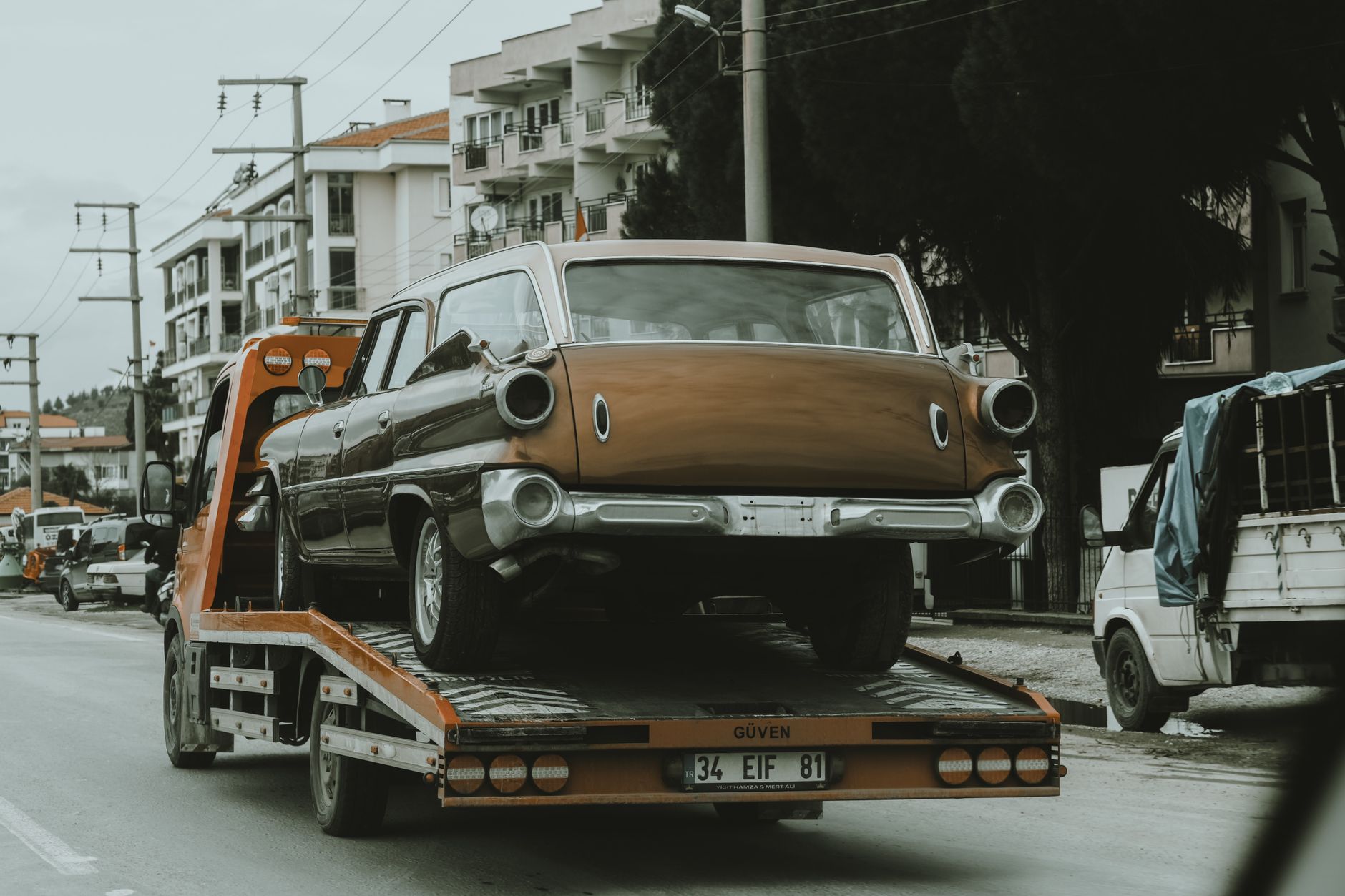
Questions people ask about Storm, Flooding and Evacuation Towing
My car went through water and seems fine.
Watch for it. Water damage often shows up days later in electronics and in the transmission, not immediately.
Can you tow before a storm lands?
Moving a vehicle to higher ground ahead of time is a normal request and much easier than recovering it afterward.